
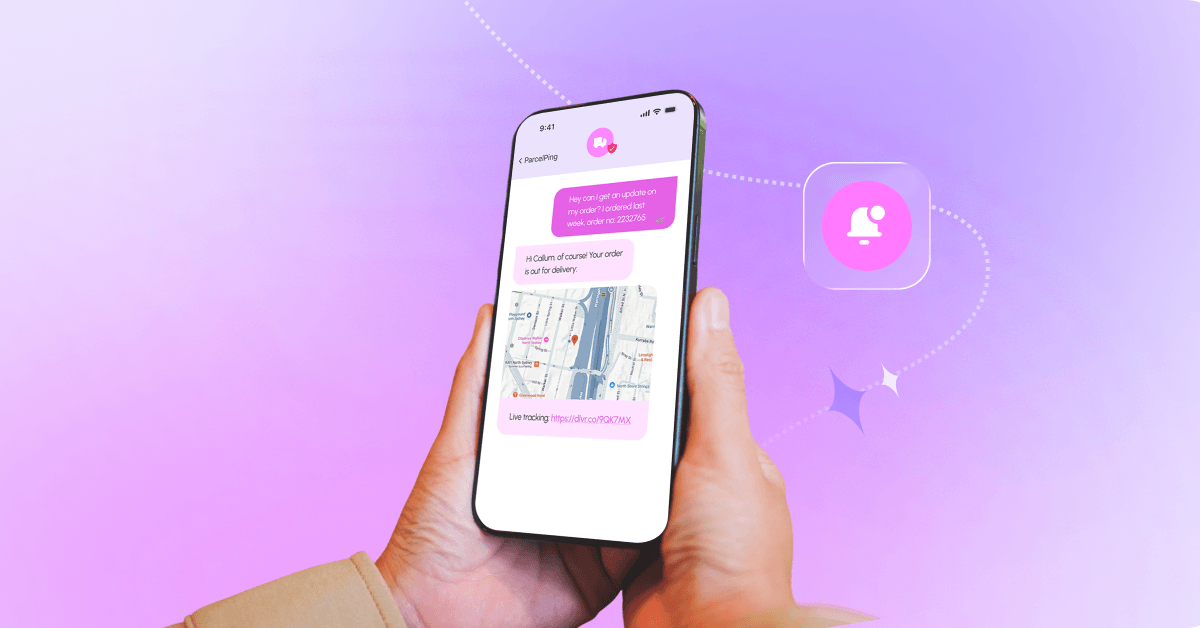
Messaging has become one of the most important ways organisations communicate with customers, citizens, patients and students. For years, SMS has been the default for delivering alerts, reminders and service updates.
Now organisations across multiple sectors are beginning to extend those interactions with RCS business messaging. By adding verified sender identities, rich media and interactive responses, RCS allows messages to become structured conversations rather than simple notifications.
From healthcare appointment reminders to retail product promotions, organisations are already using RCS to simplify workflows and create more engaging messaging experiences.
RCS Industry Use Cases at a Glance
| Industry | Top RCS Use Cases | Message Type | Key Outcome |
| Healthcare | Appointment reminders, post-care surveys, follow-up instructions | A2P and P2A | Reduced missed appointments and higher patient response rates |
| Government | Service notifications, licence renewal reminders, citizen alerts | A2P and P2A | Improved trust and reduced call centre enquiries |
| Finance | Fraud alerts, transaction verification, personalised account notifications | A2P | Faster customer response to fraud alerts and increased engagement |
| Transport & Logistics | Delivery tracking updates, shipment notifications, itinerary updates | A2P and P2A | Fewer delivery enquiries and improved self-service tracking |
| Education | Enrolment updates, attendance alerts, parent notifications | A2P and P2A | Faster communication with students and parents |
| Retail | Promotional campaigns, product carousels, order tracking | A2P | Higher click-through rates and improved purchase conversion |
Why RCS Business Messaging Is Growing Across Every Sector
RCS business messaging is moving quickly from early adoption into wider enterprise usage. As organisations look for ways to improve engagement without sacrificing the reach of carrier messaging, RCS is emerging as a natural evolution of SMS.
Industry forecasts reflect that momentum. RCS is expected to account for 18% of global operator business messaging revenue by 2029, up from just 3% in 2024. At the same time, the global RCS subscriber base is projected to reach 3.8 billion users by 2026, compared with 1.2 billion in 2022.
This growth is being driven by the combination of SMS-level reach with richer messaging experiences. Features such as verified sender profiles, interactive buttons and rich media allow organisations to turn simple notifications into structured conversations that drive measurable engagement.
RCS Use Cases in Healthcare
Healthcare providers rely heavily on timely communication with patients, whether for appointment reminders, care instructions or follow-up surveys. RCS messaging gives providers a more interactive way to manage these interactions while maintaining the reach of carrier messaging.
Through verified sender profiles, patients can immediately see that a message is coming from their clinic or hospital rather than an unknown number. At the same time, rich cards and quick reply buttons allow patients to respond directly within the conversation.
For organisations exploring RCS for healthcare, this turns routine reminders into structured two-way interactions that improve engagement and reduce administrative workload.
Appointment Reminders and Confirmations
Instead of sending a plain SMS reminder, healthcare providers can deliver a rich message that allows patients to confirm, cancel or reschedule directly in the thread. Removing the need for phone calls or web logins helps reduce missed appointments.
Post-Care Surveys and Follow-up Messaging
RCS also allows providers to send post-care surveys or follow-up instructions through interactive cards. Patients can quickly provide feedback or confirm they’ve received care guidance, helping healthcare teams monitor outcomes at scale.
RCS Use Cases In Government
Government agencies face a growing challenge when communicating with citizens: trust. Scam messages impersonating public agencies have made people more cautious about responding to unexpected notifications.
RCS messaging addresses this through verified sender identities, which allow citizens to clearly see that a message originates from an official source. This makes it easier for agencies to deliver service updates that recipients recognise as legitimate.
For organisations implementing RCS for government, this creates a trusted channel for delivering time-sensitive notifications and managing citizen interactions.
Citizen Service Notifications and Alerts
Agencies can send reminders for licence renewals, payment notices or public service updates with quick reply options that allow recipients to acknowledge or request more information directly in the message.
Two-way Service Request Handling
CS also enables structured conversations where citizens can report issues or respond to surveys within the messaging thread, reducing reliance on web portals and call centres.
RCS Use Cases In Finance
Financial institutions depend on trusted communication channels when sending alerts, account updates or fraud notifications. Customers must be confident that a message genuinely comes from their bank before they take action.
RCS messaging helps address this challenge through verified sender profiles and interactive message formats. Customers are significantly more likely to engage with communications when the sender identity is clearly verified.
For organisations exploring RCS for Finance, this creates a secure and engaging channel for delivering both transactional alerts and customer communications.
Fraud Alerts and Transaction Verification
Banks can send real-time fraud alerts that include confirm or dispute buttons within the message itself. Customers can immediately respond without navigating to a separate website or calling a support line.
Personalised Financial Offers and Account Notifications
Financial institutions also use RCS cards and carousels to present tailored product offers, account summaries or repayment reminders, creating a more engaging experience than a simple SMS link.
RCS Use Cases In Transport and Logistics
ransport and logistics organisations manage high volumes of delivery updates and travel notifications. These interactions often generate customer enquiries when recipients need additional information.
RCS messaging allows operators to deliver richer updates that include maps, images and action buttons within a single message thread.
For organisations exploring RCS for transport, this creates a more self-service experience that helps reduce inbound support requests.
Real-time Shipment Tracking and Delivery Updates
Logistics providers can send rich delivery notifications with map previews and estimated arrival windows. Recipients can confirm availability or redirect shipments directly within the message.
Interactive Travel Itineraries and Booking Confirmations
Travel operators can deliver itineraries, boarding passes and real-time delay notifications through a single branded conversation, replacing multiple disconnected messages.
RCS Use Cases In Education
Educational institutions communicate regularly with students, parents and staff about enrolment processes, attendance updates and campus events. Ensuring these messages are recognised as legitimate is particularly important.
RCS messaging helps address this through verified sender identities and interactive communication flows.
For organisations exploring RCS for Education, this allows schools and universities to manage communications more efficiently while keeping recipients engaged.
Enrolment and Admissions Communications
RCS flows can guide prospective students through enrolment steps, allowing them to confirm document submissions, register for open days or check application status directly within the messaging thread.
Student and Parent Notifications
Schools can send attendance alerts, fee reminders and emergency updates as verified RCS messages. Because the channel supports two-way responses, recipients can acknowledge or request information without switching platforms.
RCS Use Cases In Retail
Retailers are among the fastest adopters of RCS messaging because the format allows promotional messages to become interactive shopping experiences.
Instead of sending a simple SMS link to a product page, businesses can present multiple products within a single message using carousel cards and rich images.
For organisations implementing RCS for retail, this helps shorten the path between product discovery and purchase.
Promotional Campaigns and Product Carousels
Retailers can send scrollable product carousels featuring images, descriptions and buy-now buttons directly inside the messaging thread. Customers can browse and tap through to purchase without leaving the conversation.
Order Tracking and Post-Purchase Engagement
Retailers also use RCS to send branded order confirmations, delivery notifications and review requests within a single verified thread, creating an ongoing engagement channel after purchase.
| Example: Retail RCS Promotional Campaign Scenario
A fashion retailer with a subscriber database of 350,000 customers plans to promote a seasonal sale. In previous campaigns, the team relied on SMS messages linking to a landing page, but engagement varied and customers had to leave the message to browse products. This time, the marketing team chooses RCS to create a richer experience. They build a carousel message featuring four hero products, each with an image, short description and a buy-now button. Customers can swipe through the products directly within the message and tap through to purchase the item they want. The campaign is delivered through a verified sender profile, so recipients immediately recognise the brand when the message arrives. After launch, the team tracks open rates, click-through activity and conversions through their messaging platform analytics, comparing performance against previous SMS campaigns and broader RCS engagement benchmarks. |
How RCS Compares To SMS Across These Industries
Across industries such as healthcare, finance, retail and logistics, organisations are beginning to see the difference between traditional SMS notifications and richer RCS messaging experiences.
SMS continues to deliver unmatched reach and reliability, which is why it remains the backbone of many enterprise messaging strategies. RCS builds on that foundation by adding features such as verified sender identities, rich media and interactive reply options.
These capabilities allow organisations to move beyond simple notifications and create more structured conversations with recipients. Instead of directing someone to another channel, RCS makes it possible to guide them through the next step directly within the messaging thread.
RCS vs SMS Performance by Industry
| Industry | Key RCS Use Case | Primary Benefit Over SMS |
| Healthcare | Appointment reminders and patient engagement | Reduced missed appointments |
| Government | Citizen service notifications and alerts | Greater trust through verified sender identity |
| Finance | Fraud alerts and transaction verification | Faster customer response to security notifications |
| Transport & Logistics | Delivery tracking and travel updates | Reduced inbound customer service enquiries |
| Education | Student and parent notifications | Faster acknowledgement of institutional messages |
| Retail | Promotional campaigns and product discovery | More engaging shopping experiences within the message |
Checklist: Getting Started with RCS Business Messaging
- Verify your business sender status with your CPaaS provider
- Identify the highest-value use cases for your industry
- Map existing SMS workflows that could be upgraded to RCS
- Select a CPaaS partner with operator network coverage in your target regions
- Build and test your first RCS message flow with rich cards or quick replies
- Track engagement metrics including open rate, CTR and conversion to benchmark performance
- Scale successful flows and iterate based on analytics
FAQs
How Does RCS Performance Compare To SMS?
SMS remains highly effective for reach, but RCS introduces interactive features such as rich media, verified sender identities and quick reply buttons. These capabilities make it easier for recipients to engage directly within the message conversation.
Is RCS Available For Businesses In Australia?
RCS adoption is expanding across Australia as Android device support grows and operators enable business messaging capabilities. Organisations should work with a CPaaS provider to confirm current network coverage and device compatibility.
What ROI Can Businesses Expect From RCS?
Return on investment depends on the use case and industry. Many organisations start by benchmarking existing SMS performance and then measuring engagement improvements when interactive RCS features are introduced.
What Are The Benefits Of Verified RCS Senders For Businesses?
Verified sender profiles confirm a business’s identity within the messaging thread. This helps recipients recognise legitimate communications and increases trust, which is particularly important in sectors such as finance and government.
How Do Businesses Get Started With RCS Messaging?
The starting point is working with a CPaaS provider that manages sender verification, operator connectivity and platform integration. From there, organisations can upgrade existing SMS workflows into richer RCS message experiences.
Tell Us About Your RCS Use Cases
If you’re exploring how RCS messaging could support your organisation’s communication strategy, the next step is identifying the use cases that matter most for your industry.
With Soprano’s messaging platform, your team can send RCS messages alongside SMS and other channels from a single environment. This allows you to introduce richer, interactive messaging experiences while maintaining the reach and reliability of SMS when RCS isn’t supported.
Speak with one of our messaging experts to discuss how RCS could fit into your organisation’s messaging strategy.